
If Apollo’s data or workflow no longer fits, the right replacement depends on what your team needs to fix. These six Apollo alternatives cover sales intelligence, contact lookup, and lead generation. em8 takes a different approach: it sends weekly prospect lists tied to buying signals, with a personal intro drafted in your voice.
Table of Contents
- ZoomInfo: A sales intelligence platform
- Cognism: AI-driven sales intelligence
- Lusha: Sales intelligence with CRM integrations
- UpLead: Contact data with real-time email verification
- LeadIQ: Lead generation with up-to-date lead information
- Apollo alternatives compared: Match each tool to your sales motion
- FAQ
- Conclusion: Choose the tool that fits your pipeline
1. ZoomInfo: A sales intelligence platform
ZoomInfo is a sales intelligence platform built around B2B contact and company data. It’s a fit for teams that need detailed account research and buying intent, especially when several people work on the same large accounts.
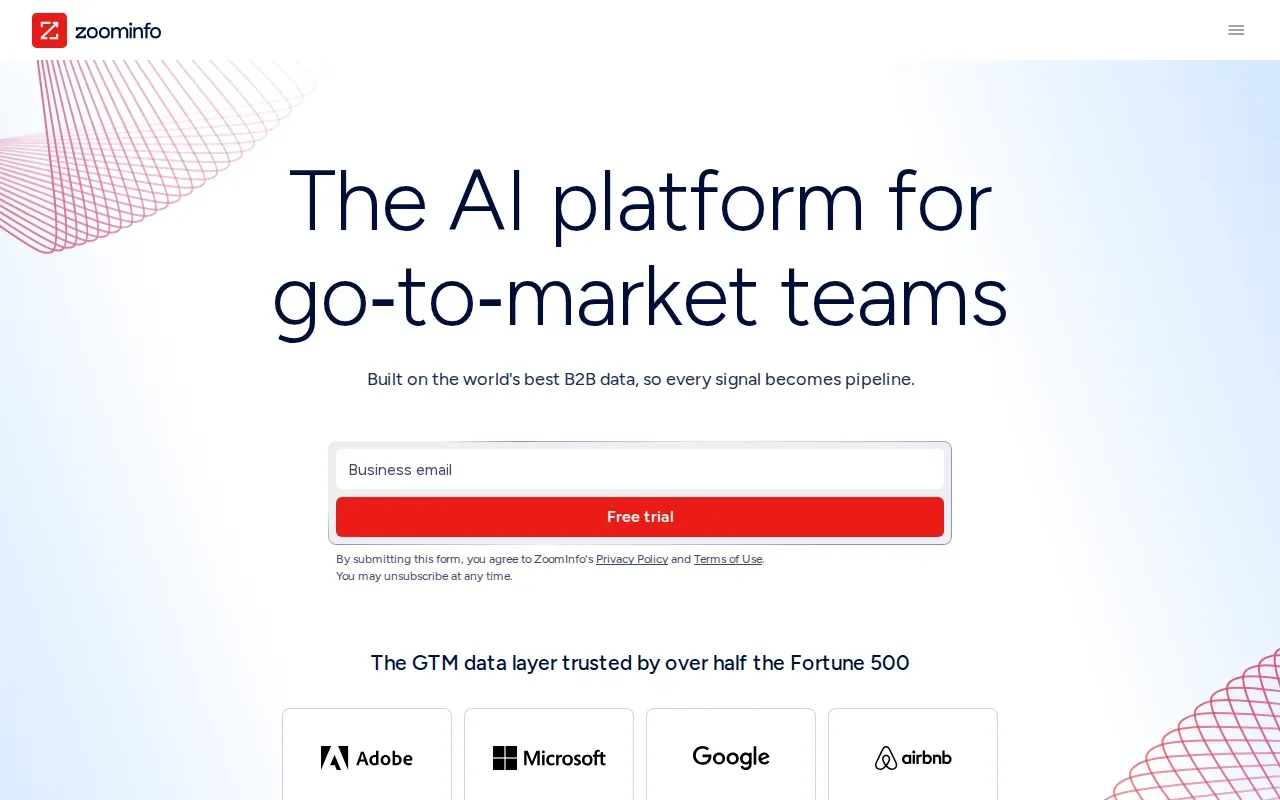
ZoomInfo’s core value is the information behind an account. It includes business emails and direct dials, plus buying intent signals that can help reps decide which companies deserve attention.
That depth can matter when a rep needs more than a name and email. Before reaching out to a large account, a seller may need to understand the company and find the right person to contact. ZoomInfo is designed to support that kind of research-heavy prospecting.
There’s a workflow trade-off. ZoomInfo’s sales engagement features are an add-on, so teams should check whether their plan covers the outreach work they expect reps to do. It may suit a team that already has a separate sequencing process better than one looking for data and outreach in a single purchase.
If your CRM is where reps manage account records, check how data will fit into that process. A customer relationship management system helps manage customer and prospect interactions, so data that doesn’t reach the right records can leave sellers with more manual work.
ZoomInfo is the strongest fit here when account depth and intent matter more than a lightweight setup. If your team mainly needs a weekly reason to contact a company, a large data platform may be more than the job requires.
2. Cognism: AI-driven sales intelligence
Cognism is an AI-driven sales intelligence platform with a strong focus on European B2B data. It’s worth considering if your US team also sells into Europe and needs phone-verified mobile numbers as part of its prospecting work.
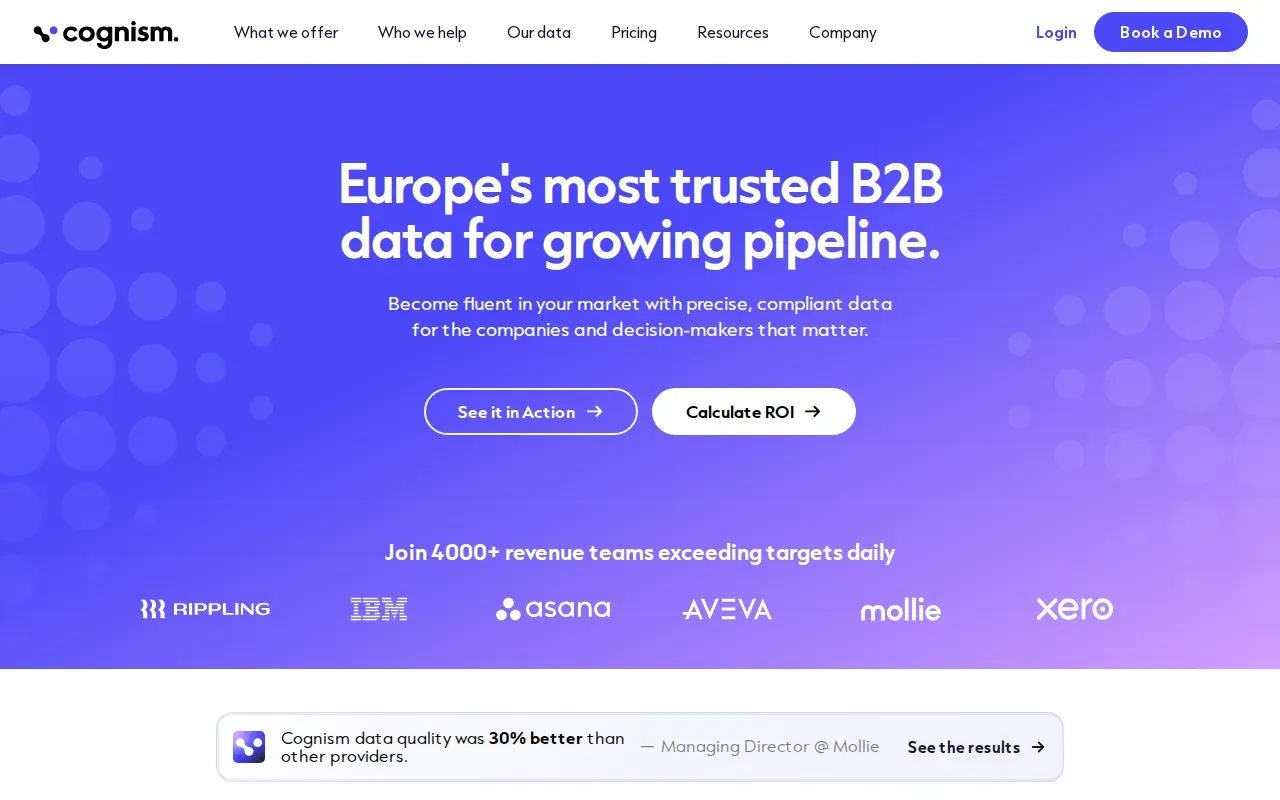
Its pitch centers on actionable customer data supported by AI and machine learning. The distinction that stands out for this shortlist is its focus on phone-verified mobile numbers. That can be useful for teams whose reps rely on direct phone outreach instead of email alone.
Cognism also places GDPR compliance at the center of its offering. For US-based teams with European prospects, that makes it important to consider where you sell and what data use rules apply to those contacts. This is a product-fit point, not legal advice. Before you expand a campaign, have the right person review your process and your obligations.
For a team selling mainly in the United States, the question is whether its European data strength matches the patch reps work each week. If most target accounts are domestic, compare the value of verified mobile numbers with the needs of your own sales motion. Don’t choose based on a feature label alone.
Also consider what happens after a rep finds a contact. Cognism’s main value is sales intelligence and data, so map the handoff into the CRM and your outreach workflow before you sign. A clean record is useful. It still needs an owner and a next action.
Cognism is a more natural fit when European coverage and phone-verified mobile data are part of the buying brief. If your sales team needs a ready-to-use reason for outreach, that’s a different problem from finding a verified number.
3. Lusha: Sales intelligence with CRM integrations
Lusha is a sales intelligence tool known for CRM integrations. It may suit a small team that wants contact data to connect with its existing sales records rather than live in a separate prospecting file.
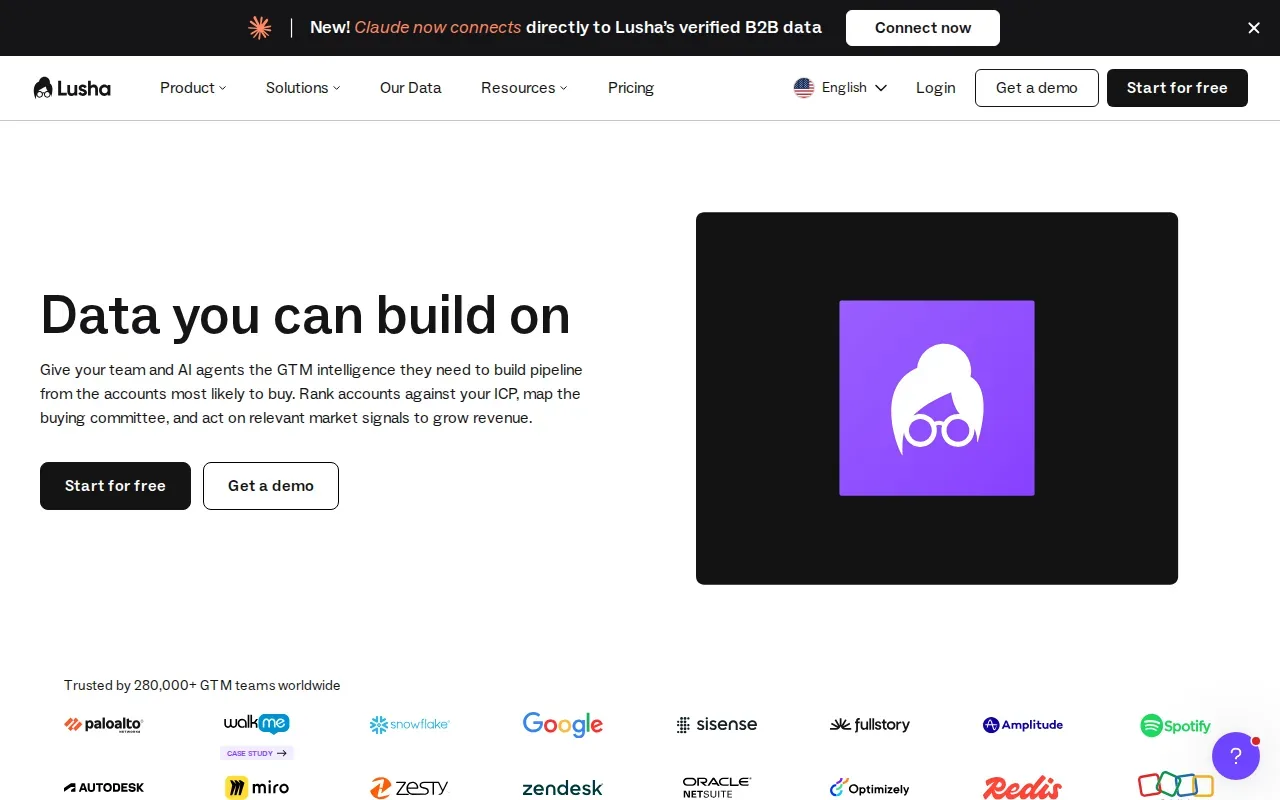
Lusha’s named CRM integrations include Salesforce, HubSpot, and Zoho. That gives teams a clear starting point for checking fit: identify the CRM your reps use, then confirm how contact details move into the right record and how reps will work from there.
Lusha’s model also uses credits. That makes it worth estimating how often reps need contact details and what kind of records they’ll look up. A low-friction search can still add up if the team’s habits don’t match the way credits are spent.
Think through a normal prospecting day. Does a rep find a company, look up a person, then move that contact into the CRM? Or does a sales operations owner build and distribute lists for the team? The first workflow puts more weight on quick access. The second needs a consistent way to assign and update records.
Lusha is centered on sales intelligence, not on replacing every part of outbound execution. If you already have a system for sending outreach, that may be enough. If your goal is to act on a buying reason and start with a tailored intro, compare that work separately from CRM connectivity.
For manufacturer teams, the contact source is only one part of the job. The right company and timing matter too. This overview of lead generation for manufacturers looks at the demands of that sales motion, where a broad contact search may not explain why a prospect should talk now.
Pick Lusha when its CRM connections and credit-based access fit the way your reps prospect. Before rolling it out, test a small group of accounts your team already knows.
4. UpLead: Contact data with real-time email verification
UpLead is a B2B contact data tool with real-time email verification and a stated 95%+ accuracy guarantee. It’s designed for teams that care more about verified records than building the largest possible list.
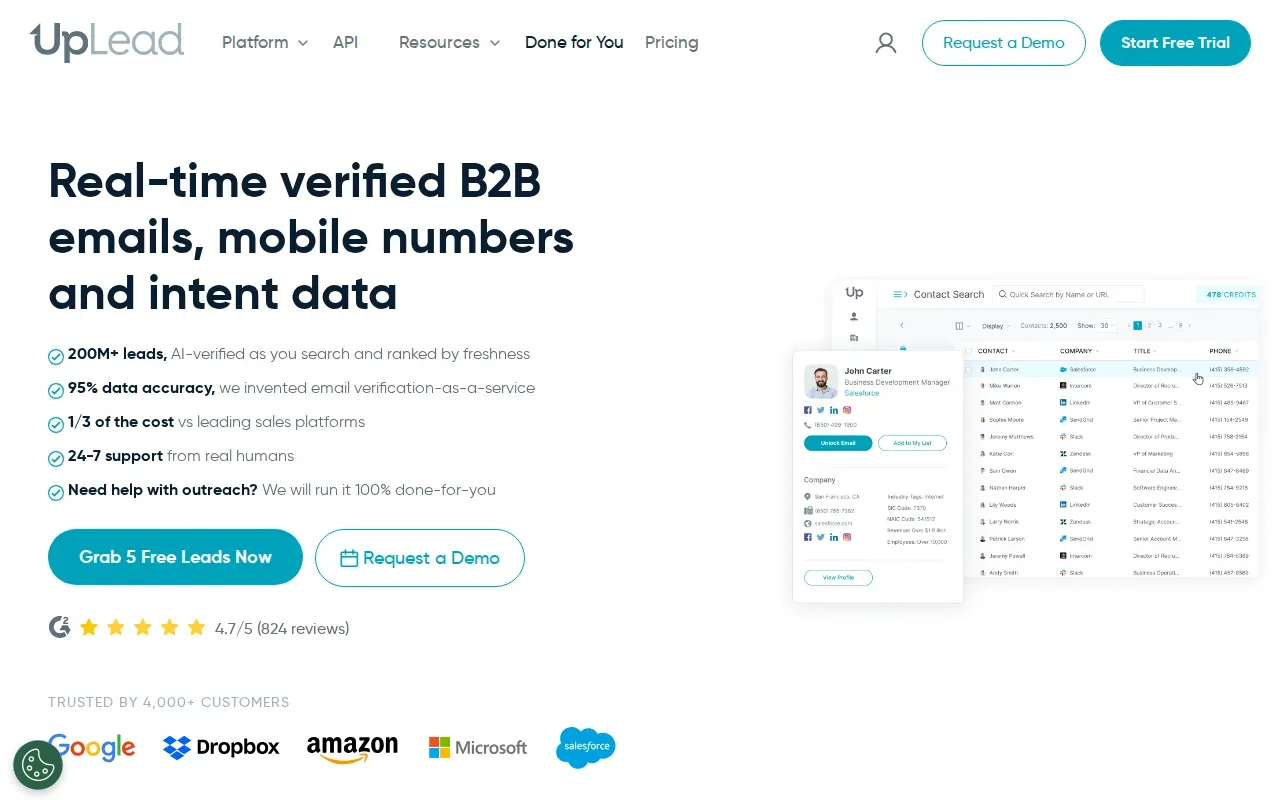
Email verification at the point of lookup gives teams a way to check an address before they use it in a campaign. That matters when reps are trying to avoid spending time on bad records or sending messages to contacts who can’t be reached.
The guarantee is a clear quality signal, but it doesn’t answer every question about fit. Ask how the contact data performs against your own target accounts and roles. A broad quality claim is less useful than seeing whether the tool can find the people your team actually needs.
UpLead is focused on contact data. If your team also needs email sequencing, dialing, or automation, account for the separate workflow that handles those jobs. A data tool can fit well when your outreach system is already in place. It can add friction when reps have to copy records between tools before they can act.
For a small test, pick a set of companies and roles your reps know. Check whether UpLead finds usable email addresses for those accounts, then see how the information moves into your current process. The point is not to prove a vendor claim in the abstract. It’s to see whether the records help your team start the right conversations.
UpLead is a reasonable choice when data accuracy is the main concern. It is less of a fit when the larger problem is that a cold list gives reps no clear reason to reach out.
5. LeadIQ: Lead generation with up-to-date lead information
LeadIQ is a lead generation platform that brings together data from different sources to provide up-to-date lead information. It’s a fit for teams in real estate, finance, and insurance, where keeping prospect details current can support steady prospecting.
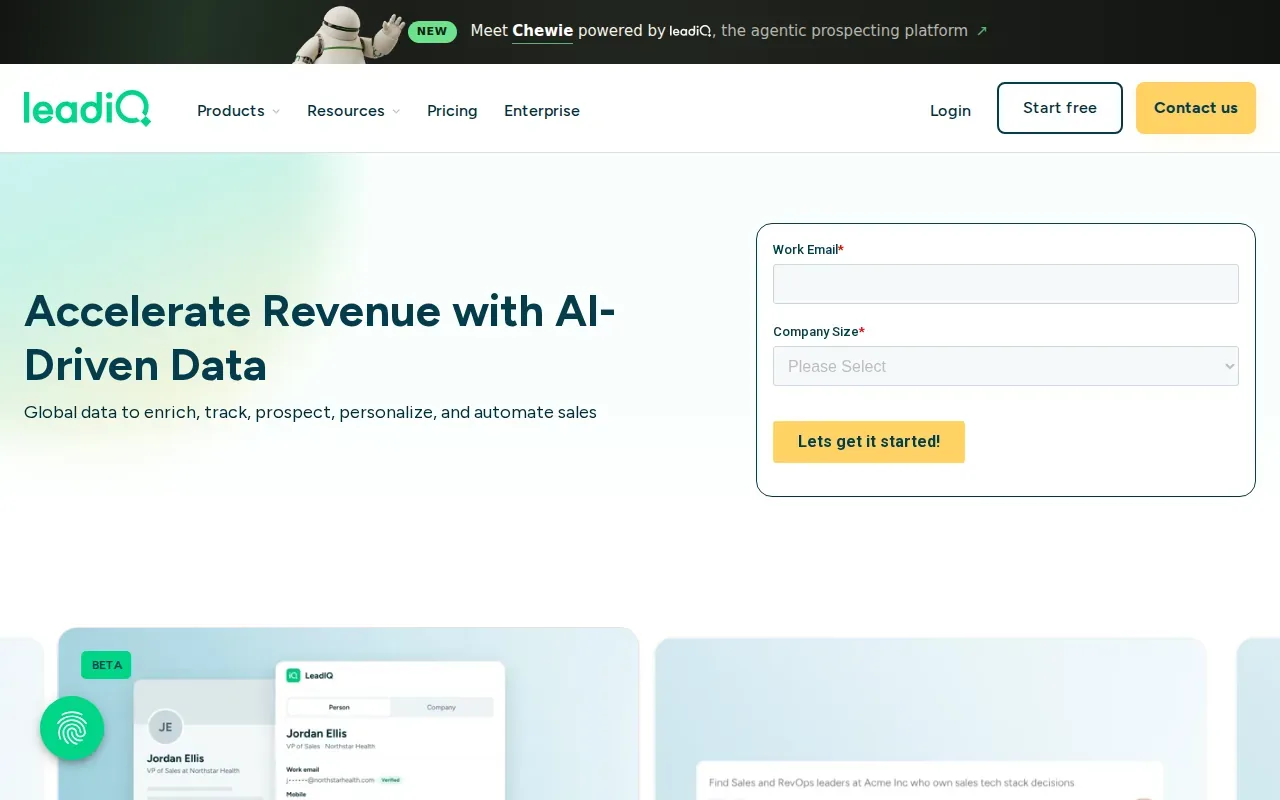
Its integrations include Salesforce, HubSpot, and Salesloft.
That capture-and-sync workflow can cut repeat data entry. It also gives sales operations a specific process to check: does the right contact reach the right CRM record, and does the rep know what to do next? A fast handoff only helps if the data lands where the team can use it.
LeadIQ also lists job-change notifications and an AI-powered email writer. Those features give a rep a way to spot a change and prepare a message. Your team should decide how much review a draft needs before it goes to a prospect, especially if your brand voice is important.
One caveat for industrial sellers: the approved best-fit industries here are real estate, finance, and insurance. If your pipeline depends on construction or facility activity, test the lead information against your own target accounts rather than assuming the fit carries over.
LeadIQ fits when the team’s pain is keeping lead information current and moving it into the CRM and sequence. It won’t by itself tell you whether a target company has a buying reason this week.
Apollo alternatives compared: Match each tool to your sales motion
These tools solve different parts of prospecting. Use the table to narrow the shortlist by the job you need done, then check the handoff into your existing CRM and outreach process.
| Tool | Best fit | What stands out | Workflow point to check |
|---|---|---|---|
| ZoomInfo | Enterprise sales intelligence | Company data and buying intent | Sales engagement is an add-on |
| Cognism | Teams with European prospecting needs | AI-driven data and phone-verified mobile numbers | Match the data focus to your sales region |
| Lusha | Teams that need contact data in their CRM workflow | Salesforce, HubSpot, and Zoho integrations | Plan for credit use |
| UpLead | Teams that put data accuracy first | Real-time email verification and 95%+ accuracy guarantee | Plan how outreach will run after lookup |
| LeadIQ | Teams in real estate, finance, and insurance | Up-to-date lead information and CRM handoff | Check that records reach the right sequence |
Pricing depends on more than the first quote. Check how seats, credits, and any separate outreach tools affect the cost of a usable prospect. ZoomInfo’s engagement add-on and Lusha’s credit model are examples of details that can change the overall buying decision.
Then compare the work your reps will do each week. A data platform gives a team information to act on. It may not choose which account has a reason to buy now or write the first message. If those steps are where your process stalls, a weekly, signal-based list may fit better than another contact database.
For example, a manufacturer whose demand follows construction activity may get more value from a relevant public signal than from a longer list of companies. em8 looks for signals such as job posts, leadership hires, technology use, building permits, and planning applications. The weekly delivery includes companies with a reason to buy, a contact, and a personal intro in the client’s voice.
For reference, see this resource.
If you’re comparing a service with software, make the scope clear. A contact database helps you find people. Signal-based outbound adds a reason to approach a company and a draft to start the conversation. I’ve also laid out how outbound sales agencies differ for teams deciding whether to buy software or get help running the work.
Key takeaway: Buy for the step that slows your pipeline most: finding a contact, verifying the data, syncing it, or knowing why to reach out now.
FAQ
What is the best Apollo alternative for B2B sales?
The best option depends on which part of your sales process needs to change. ZoomInfo is centered on sales intelligence and buying intent, while UpLead focuses on contact data with real-time email verification. If your team needs a weekly list built around buying signals plus a personal intro, em8 uses a different service model from a contact database.
Which Apollo alternative is best for accurate contact data?
UpLead is the clearest fit in this list for teams that put email accuracy first. It provides real-time email verification and a 95%+ accuracy guarantee. Test it against companies and job roles you already know, since your team’s target market is the best measure of whether the records will be useful.
Which alternative is best for European B2B data?
Cognism is the strongest fit here for teams with European B2B prospecting needs. Its offering focuses on European data, phone-verified mobile numbers, and GDPR compliance. If your team sells mainly in the United States, first check how much of that regional strength matters to the accounts your reps work.
Do these Apollo alternatives include email outreach?
They don’t all cover the same workflow. ZoomInfo’s sales engagement features are an add-on, while UpLead focuses on contact data. LeadIQ describes a one-click path to add a lead to an outreach sequence. Check what’s included in the specific product and plan you’re considering before you move your team’s process.
How should I compare pricing between sales tools?
Compare the cost of the whole workflow, not just access to contact data. Check how seats and credits affect use, then account for any separate sequencing or engagement tool your team needs. Ask what a typical week of prospecting would cost for your actual team size and contact volume.
Conclusion: Choose the tool that fits your pipeline
Choose the tool that fixes the slowest part of your prospecting. If your reps have contacts but lack a timely reason to reach out, I’d look at em8’s signal-based outbound service before adding another data source. You’ll get a weekly list with a buying reason, the right contact, and an intro draft. Book a call with Emil to see if it fits your pipeline.
Book a call with Emil.
30 minutes. Leave with a plan for reaching decision makers at the moment they have a reason to buy.